

What Should You Do Before Your Purse or Wallet Is Stolen? |
I just want my documents back. |
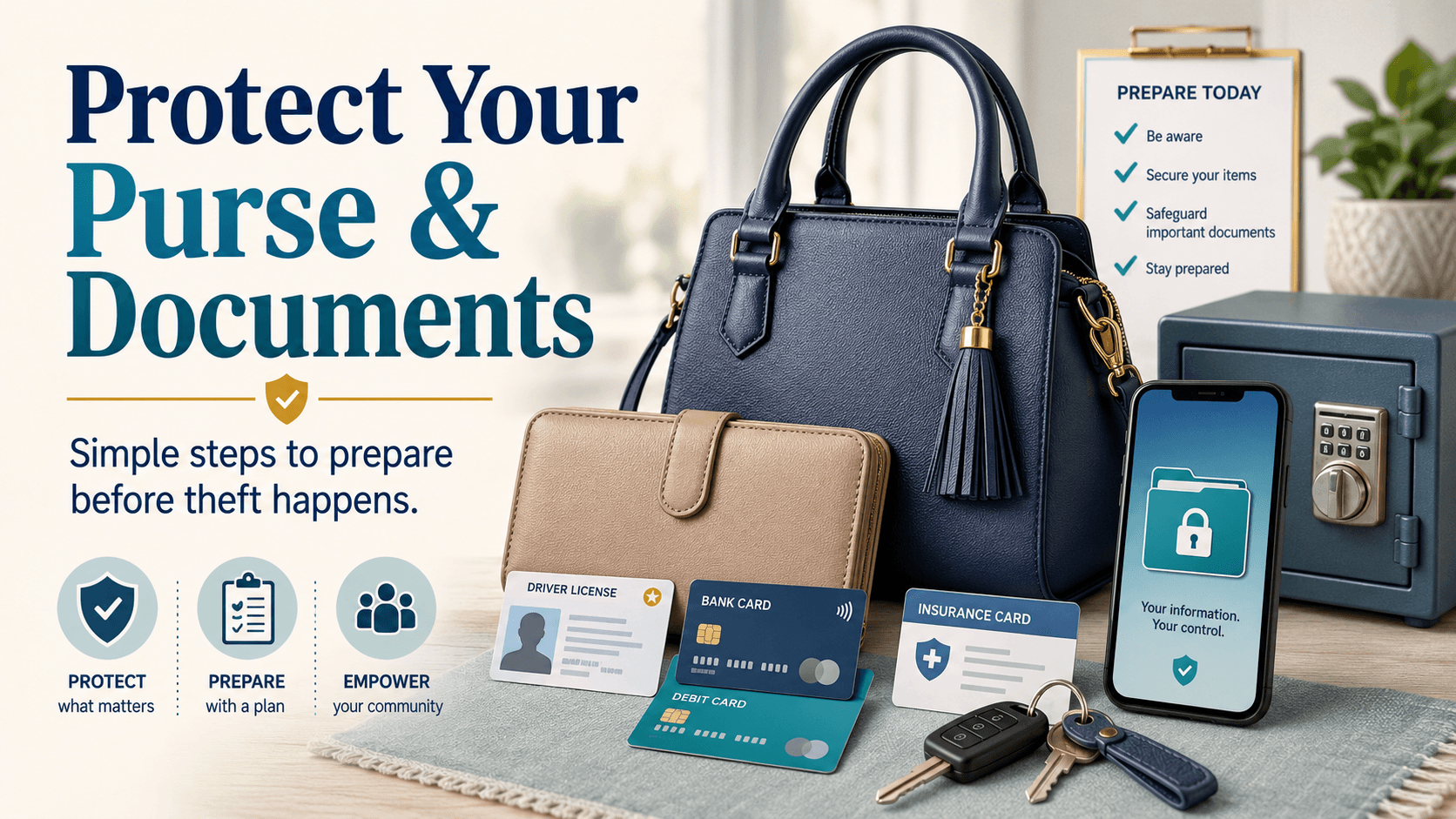
A friend’s sister recently had her purse stolen. Like many people, she lost some cash, but the cash was not the biggest problem. The real headache came from losing all the documentation inside the purse — IDs, bank cards, insurance cards, and other important personal information that had to be replaced.
Most people can eventually write off the money, but replacing documents can be stressful, time-consuming, and frustrating. Unfortunately, purse and wallet theft happens all too often. That is why it is important to be proactive before something like this happens.
Short Answer
Before your purse or wallet is ever stolen, take pictures or make copies of your important documents, store printed copies in a safe place, keep digital copies in a protected folder, carry fewer personal documents, and know who to contact if something is stolen.
The cash may be gone, but being prepared can make replacing your documents much easier.
Why Preparing Before a Purse Is Stolen Matters
When a purse or wallet is stolen, the first thing people usually think about is the money. But for many victims, the bigger problem is replacing everything else.
A stolen purse may include:
Replacing those items can take days or even weeks. In some cases, stolen documents can also create a risk of identity theft.
That is why a few simple steps ahead of time can save a lot of stress later.
One of the best things you can do is take clear pictures or make copies of the important items you carry.
This can include:
Make sure you capture the front and back of cards when needed. The back of a card often includes phone numbers for reporting it lost or stolen.
These copies are not meant to replace the original documents, but they can help you know exactly what was stolen and who you need to contact.
2. Put Printed Copies in a Safe Deposit Box or Secure Home Safe Printed copies of important documents should be stored somewhere secure. A safe deposit box is one option. A fireproof home safe is another.
You may also want to keep copies of: - Birth certificates If your purse or wallet is stolen, having backup copies can make it easier to prove your identity and request replacements.
3. Keep Digital Copies in a Protected Folder
You can also keep digital copies in a protected folder on your phone, tablet, or computer. If you do this, make sure the folder is password-protected.
A protected folder can be useful when you need quick access to information. However, your phone can also be lost or stolen. For that reason, it is smart to also keep a secure cloud backup with a strong password and two-factor authentication.
Do not store sensitive documents in an unprotected photo gallery or a folder that anyone can open.
4. Carry Less Than You Think You Need
One of the easiest ways to reduce the damage from a stolen purse or wallet is to carry fewer important items.
Do not carry these unless you truly need them that day:
Social Security card
For most everyday errands, you may only need one photo ID, one payment card, a small amount of cash, and maybe an insurance card. The less you carry, the less you have to replace.
5. Make a Wallet or Purse Inventory
A wallet inventory is a simple list of everything you normally carry. You can write it down, type it, or keep it with your document copies.
Your list should include: - Names of cards Do not write down full passwords or PIN numbers. The goal is to know who to call, not to create another security risk.
6. Keep Emergency Phone Numbers Somewhere Besides Your Purse
If your purse or wallet is stolen, you may not have access to the phone numbers printed on your cards.
Keep a separate list at home with contact information for:
This list can save valuable time when you need to act quickly.
7. Set Up Bank and Credit Card Alerts
Most banks and credit card companies allow you to set up text, email, or app alerts.
You can often receive alerts for:
Purchases
These alerts may help you catch suspicious activity quickly if someone tries to use your stolen card.
8. Learn How to Lock Your Cards From Your Phone
Many banking apps now allow you to instantly lock or freeze your debit or credit card.
This is something you should learn before there is an emergency. Open your bank app and find the card control section. Know where the lock or freeze option is located.
If your purse is stolen, being able to lock your card quickly can help prevent unauthorized charges.
9. Consider Freezing Your Credit
A credit freeze can make it harder for someone to open a new account in your name. This can be especially helpful if your stolen purse included documents with personal information.
You can usually place a credit freeze with the major credit bureaus. If you need to apply for new credit later, you can temporarily lift the freeze.
This is not something everyone thinks about, but it can be an important protection against identity theft.
10. Keep One Backup Photo ID at Home If possible, keep a backup photo ID or another official form of identification in a safe place at home.
This could include:
Losing every form of identification at once can make replacing documents more difficult.
11. Use a Light-Carry Method for Events, Shopping, and Travel When going to crowded events, festivals, shopping areas, or public gatherings, consider carrying only what you truly need.
A light-carry setup may include: - One photo ID Leave extra cards and documents secured at home.
12. File a Police Report If Important Documents Are Stolen
If your purse or wallet is stolen, especially if it contains identification, bank cards, checks, or personal documents, file a police report.
Even if the cash is gone, a report may help when working with:
A police report creates a record that the theft happened.
13. Know Where to Start Replacing Stolen Documents
Before anything happens, make a simple replacement checklist.
Include where to replace:
Driver’s license
Having this list ready can help you avoid panic and move through the process step by step.
14. Do Not Wait Until It Happens
Most people do not prepare for a stolen purse or wallet until after it happens. By then, they are already upset, stressed, and trying to remember what was inside.
Taking a few minutes now can save days or weeks of trouble later. What Should You Do Immediately If Your Purse or Wallet Is Stolen? If your purse or wallet is stolen, take action quickly.
Start with these steps: 1. Get to a safe place.
The faster you act, the better chance you have of limiting the damage. Frequently Asked Questions
What documents should I not carry in my purse or wallet?
You should avoid carrying your Social Security card, birth certificate, passport, checkbook, extra credit cards, and large amounts of cash unless you truly need them that day.
Should I take pictures of my ID and cards?
Yes, taking clear pictures or making copies can help you know what was stolen and who to contact. Store those images in a protected folder or secure location.
Is it safe to keep document photos on my phone?
It can be helpful, but only if the folder is protected by a strong password or security feature. It is also wise to keep a backup in a secure cloud account or printed copies in a safe place.
What is the first thing to do if my purse is stolen?
The first thing is to get to safety. After that, contact your bank and credit card companies to lock or cancel cards, then file a police report if important documents were stolen.
Why is losing documents worse than losing cash?
Cash is usually gone once it is stolen. But stolen documents can create days or weeks of problems. They may also increase the risk of identity theft or fraud.
Final Thought
Most people write off the cash. What really hurts is the trouble of replacing IDs, cards, and personal documents.
A few pictures, copies, backup records, and a simple plan can turn a major headache into something much easier to handle.
Being prepared does not mean you expect something bad to happen. It simply means that if it does happen, you are not starting from scratch. |